
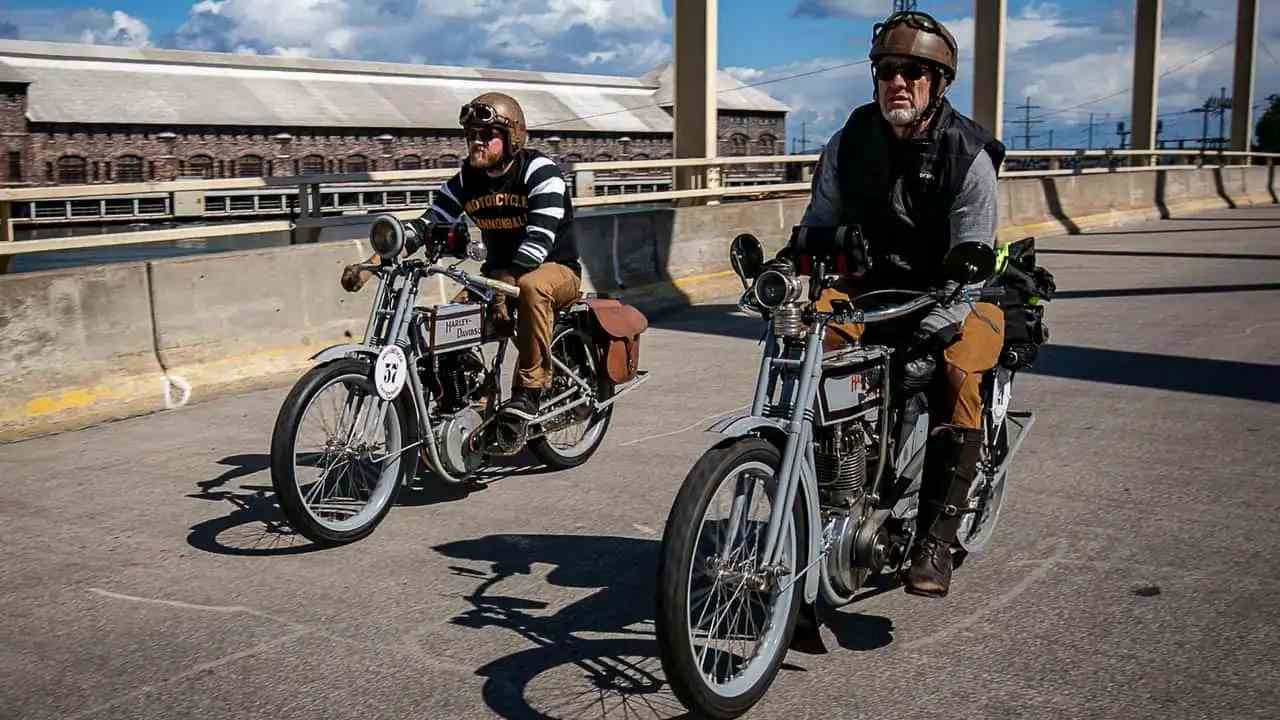
Modern Technology Revitalizes Rare Parts and Brings New Possibilities for Vintage Motorcycle Enthusiasts
For lovers of vintage motorcycles, there is a unique fascination with classic machines that modern bikes cannot replicate. The sound of an old V-twin engine running, the mechanical feel of a manual transmission, the smell of oil and leather—these bikes are undoubtedly a piece of history in motion. However, despite all their charm, keeping a classic motorcycle running can be a big challenge.
Anyone who has tried to restore a pre-war Harley or Indian knows how difficult it is to find parts. Many are rare, and the original parts often become brittle over time. Searching flea markets and auction websites can lead to some good finds, but often restorations are stopped when an essential part becomes impossible to locate.
While restoring classic motorcycles is a passion for many, it requires patience, something not everyone has. However, technology is now bringing an innovative solution to this difficulty: 3D printing. Competition Distributing LLC, a manufacturer based in Pennsylvania, is one of the pioneering companies using 3D printing to restore and keep old motorcycles running with the help of this modern technology.
Using a metal 3D printer from Farsoon Technologies, Competition Distributing is creating high-quality metal parts for century-old bikes. The FS200M-2 printer, equipped with dual lasers, allows for scanning, recreating, and manufacturing metal components for bikes that have more than 100 years of history.
“We’re talking about parts that haven’t been produced in 80 to 100 years. Some were never mass-produced, so when the original parts are gone, there’s nothing left—unless you can make your own,” explains Sean Jackson, the company’s Chief Operating Officer.
Before adopting metal 3D printing, Competition Distributing had used polymer 3D printers and outsourced the production of metal parts. However, traditional casting methods were slow, expensive, and often inaccurate for rare vintage parts. In 2024, the company took the big step and acquired its own LPBF system (Laser Powder Bed Fusion), allowing the production process to be reduced from months to just days.
A notable example of the company’s work is the recreation of a cylinder head based on a 1928 Rudge Cycle Co. model, printed in a lightweight yet durable aluminum alloy. Another standout project is “The Pennsylvania 8,” a restored bike that uses several 3D-printed parts, showcasing the power of modern technology alongside classic machines.
Although most parts are made from 316 stainless steel, the company is expanding its portfolio to include aluminum, 17-4 stainless steel, and even titanium, enabling the manufacturing of structural components and load-bearing assemblies. However, working with century-old designs is not simple. The team had to adjust the process for weeks, adapting to irregular shapes and asymmetrical geometries that were not designed for digital manufacturing.
With the help of Farsoon’s technical team and remote monitoring software, Competition Distributing was able to optimize the process and achieve a steady production pace.
While the idea of mixing modern methods with classic motorcycles may not appeal to all purists, for many enthusiasts, the ability to replace rare and essential parts seems like a huge victory. If you want to see how the fusion of tradition and high technology is transforming the restoration of classic motorcycles, or if you’re looking for that hard-to-find part for your project, Competition Distributing offers a catalog of parts and projects on their official website.
Source and images: Ride Apart / Competition Distributing. This content was created with the help of AI and reviewed by the editorial team.
